In its early years, Beth Adam focused on building a community rather than owning a building.
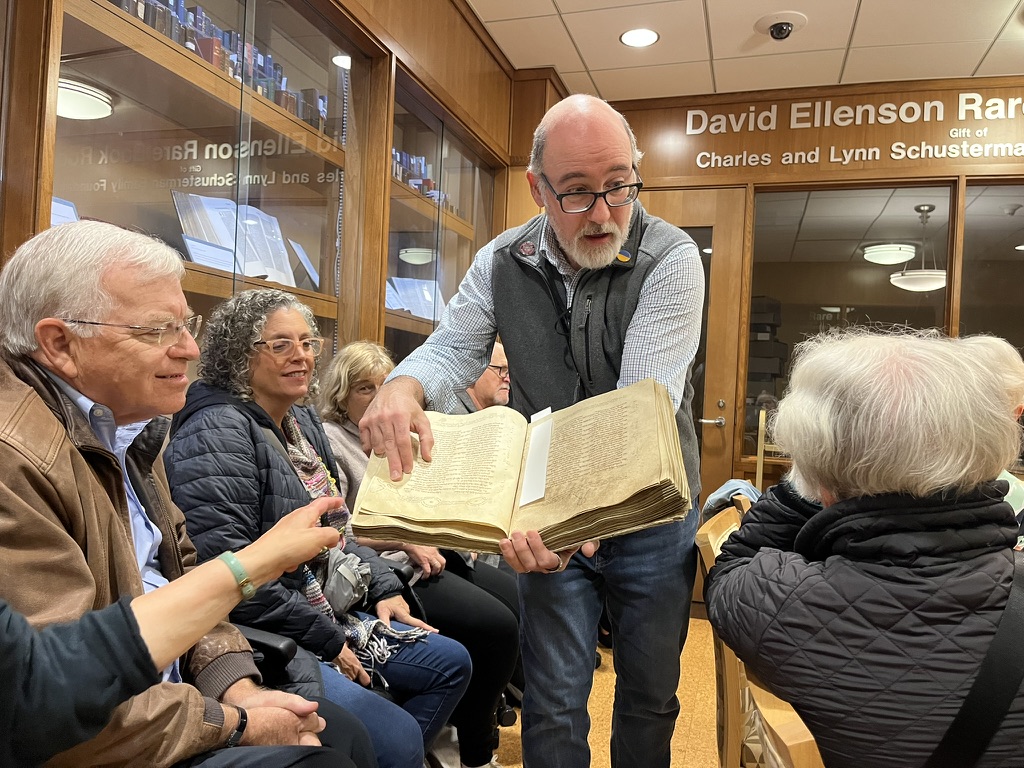
The congregation gathered in members’ homes and rented spaces throughout Cincinnati, including churches, hotels, Northern Hills Unitarian Fellowship, Hebrew Union College, and locations on Section Road and Red Bank Road. For nearly 13 years, Hebrew Union College provided an especially important home for services and life-cycle events.
As the congregation grew and its rented spaces became less practical, members began considering a permanent home. The decision was made carefully: Beth Adam would move forward only when the congregation had pledged enough money to make the project financially responsible. Every donor was recognized, regardless of the size of the gift, and rooms were not named for individuals. The message was clear—the building belonged to the entire community.
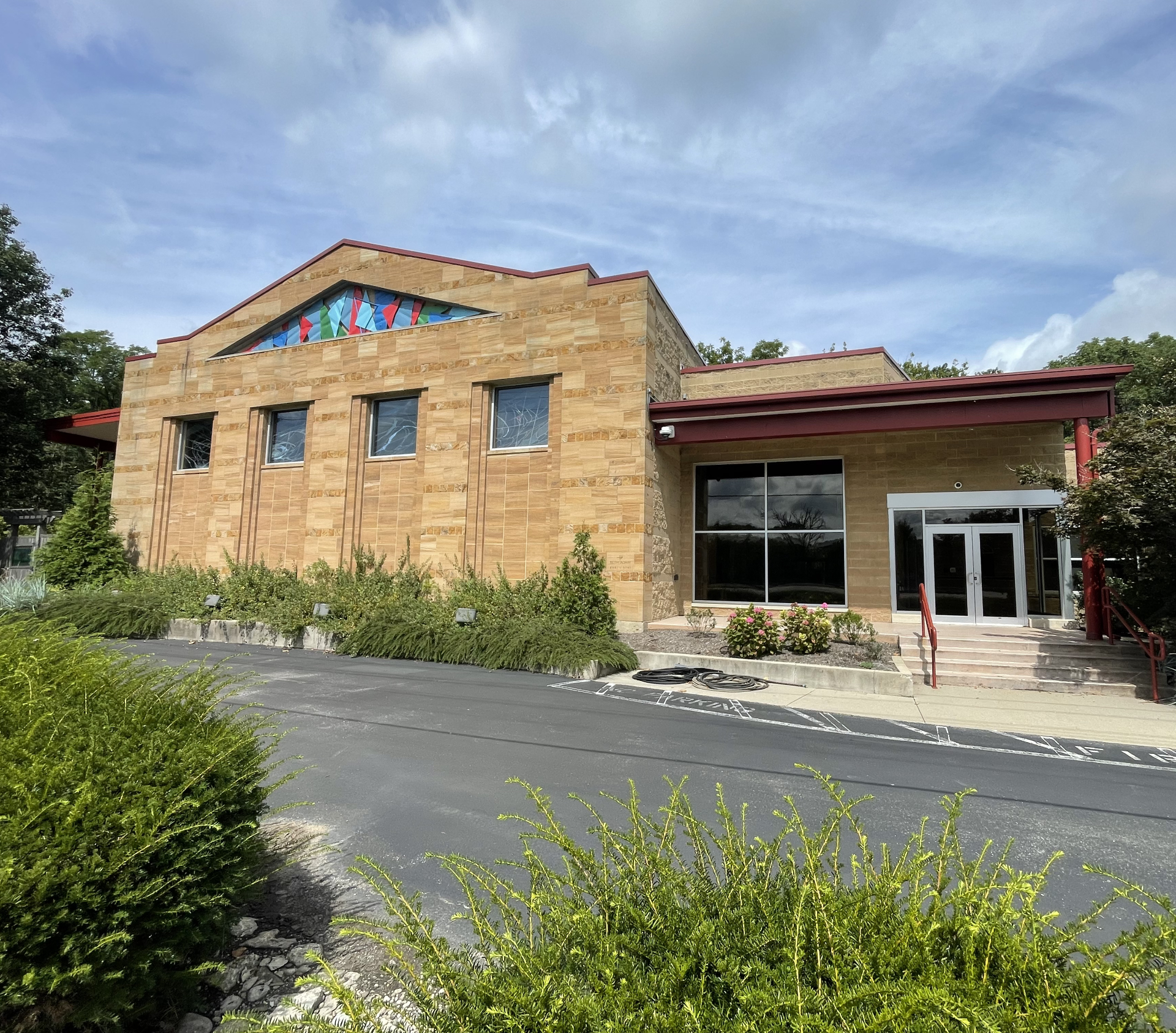
Beth Adam’s current home, completed in 2001, was shaped through extensive conversations among members, architect Paul Muller, builder Dugan & Meyer, artists, and other partners. The building was designed to feel welcoming, lasting, and distinctly Beth Adam. Its thoughtful financial planning allowed the congregation to pay off the building in about eight years and establish a maintenance fund for future needs.
Our Values in the Building
Beth Adam’s building was designed to express who we are as a congregation. Members, clergy, architects, builders, and artists worked together to ensure that each major choice reflected our humanistic Jewish values. The result is more than a gathering place—it is a physical expression of community, curiosity, creativity, and shared responsibility.
The connection between reason and religion is visible from the moment visitors enter. The angled entrance provides a view of both the library and the sanctuary, showing that intellectual inquiry and Jewish life belong together. Ideas discussed in the sanctuary should stand up to thoughtful examination in the library, while learning and critical thinking should enrich our communal and spiritual experiences.
Inside the sanctuary, the low bimah reduces the distance between leaders and congregants. The Torah ark is placed to the side rather than at the visual center, recognizing the importance of Jewish tradition without making it the congregation’s sole source of authority. Above the seating area, sweeping arches embrace the congregation and symbolize that the community itself is at the heart of Beth Adam.
The sanctuary’s artwork brings science, nature, and Judaism into conversation. The stained-glass windows move from the Big Bang to the development of our planet and humanity’s effort to understand the world. The eternal light takes the form of a double helix, representing the DNA shared by all human beings. Powered by solar energy, it also reflects our responsibility to care for the planet.
Throughout the building, additional details continue this story. The Tree of Life appears in the ark and outdoor fence, while the Reflections Wall honors both joyful occasions and times of loss. Displays recognizing rabbinic interns, donors, and intellectual figures such as Albert Einstein celebrate learning and community contributions. Together, these choices make Beth Adam’s building a place where Jewish identity, human dignity, science, nature, and creativity are woven into a unified whole.